
Last Updated: October 2, 2026
When you're managing a chronic condition, choosing the right telehealth platform matters. Teladoc vs MDLIVE for chronic conditions represents a critical decision for seniors and their families seeking reliable virtual care.
Teladoc prioritizes comprehensive chronic disease monitoring and insurance integration, while MDLIVE emphasizes on-demand urgent care. For someone managing diabetes, heart disease, or respiratory conditions, these distinctions directly affect whether your telehealth experience supports long-term health or patches acute problems.
Teladoc's chronic condition approach centers on longitudinal care relationships with scheduled follow-ups designed for chronic disease monitoring. Your provider can track your condition over weeks and months, adjust treatment plans based on trends, and coordinate with your primary care physician about medication changes.
MDLIVE operates primarily as an on-demand urgent care service optimized for quick answers rather than comprehensive disease management, with most consultations as one-off interactions.
Teladoc includes features for providers to schedule regular check-ins for conditions like hypertension, diabetes, and COPD, with requests for symptom or measurement reports between visits.
MDLIVE doesn't emphasize scheduled follow-up care; you initiate contact when needed, which works for acute questions but leaves gaps in systematic monitoring.
Teladoc integrates directly with many insurance networks and electronic health record systems, allowing visit notes to flow automatically to your primary care doctor's office, reducing duplicate testing and ensuring your PCP stays informed.
MDLIVE requires manual coordination; you often must initiate record transfers to your PCP, creating friction for conditions requiring tight multi-provider coordination.
Teladoc maintains a larger network of specialists in chronic disease management (endocrinologists, cardiologists, pulmonologists), allowing disease-specific questions without referrals. MDLIVE focuses on primary care physicians and nurse practitioners, often requiring PCP referrals for specialists.
Teladoc's app emphasizes medical history review and appointment scheduling, allowing advance symptom documentation. MDLIVE's app prioritizes speed with a simpler interface and minimal wait times, appealing to those seeking quick answers.
Wearable device integration is critical for chronic disease management. Many seniors managing diabetes, hypertension, or heart disease use continuous glucose monitors, blood pressure cuffs, or fitness trackers to track health between appointments.
Teladoc's wearable integration connects with Apple Health, Google Fit, Fitbit, and clinical-grade devices like Dexcom and Freestyle Libre CGMs, plus connected blood pressure monitors (Omron, Withings).
MDLIVE does not currently offer wearable device integration. Your provider cannot access glucose monitor data, blood pressure readings, or activity data.
MDLIVE typically connects you with a provider within 15-30 minutes (Urgent Care). Teladoc's wait times vary depending on whether you're scheduling a follow-up appointment or seeking urgent care. Scheduled appointments have minimal wait, but urgent same-day consultations may take longer.
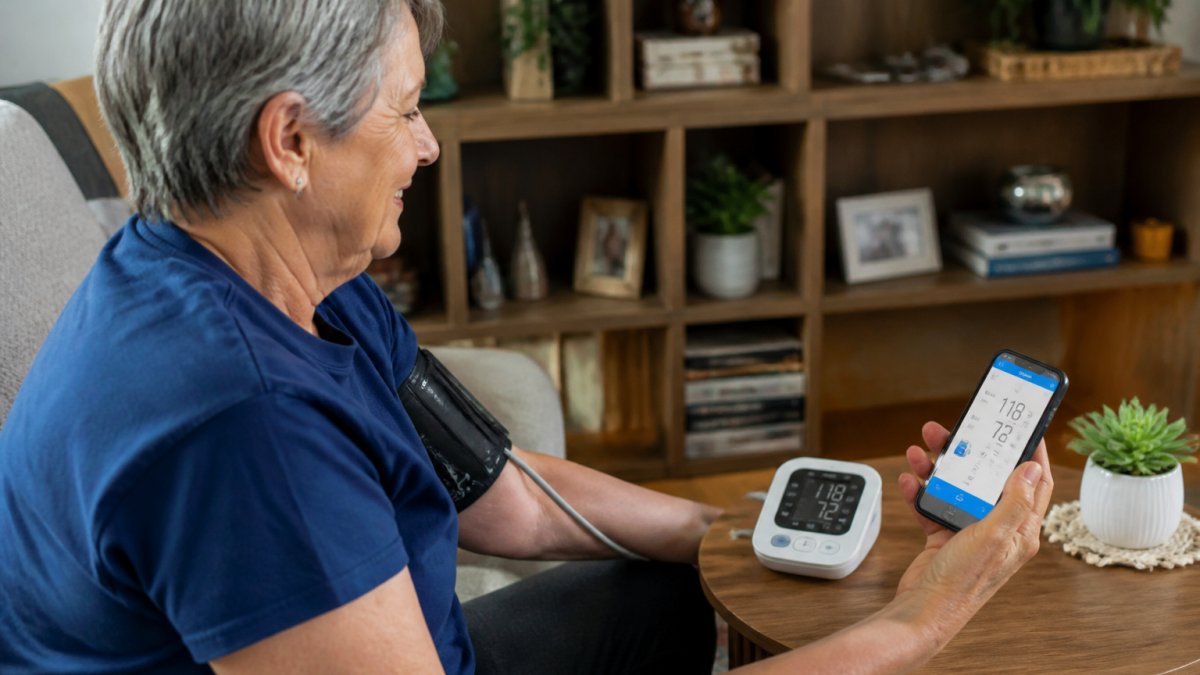
For chronic disease patients, prescription management requires preventing missed doses, managing prior authorizations, and ensuring continuity. This area reveals significant operational differences between platforms.
Teladoc's prescription workflow integrates with major pharmacy chains (CVS, Walgreens, Rite Aid) and mail-order services. Prescriptions transmit electronically, and the platform maintains prescription history accessible to both you and your provider.
MDLIVE's prescription process operates per-visit; the provider issues a prescription you receive electronically or by mail. MDLIVE doesn't maintain refill schedules, send reminders, or track adherence.
Ongoing prescription management is where the platforms diverge most sharply for chronic disease patients. Teladoc allows providers to set up prescription refill schedules tied to your appointment calendar.
MDLIVE requires proactive refill requests with no reminders or adherence tracking. For seniors managing multiple medications, this creates higher risk of missed doses, which can destabilize conditions like heart disease or diabetes within days.
Teladoc's integration with insurance networks often means better coverage for prescriptions issued through the platform.
MDLIVE prescriptions are treated as out-of-network unless your plan has a direct relationship with the platform. You pay the consultation fee ($40-$100), and prior authorizations take 24-72 hours, risking medication gaps if you didn't plan ahead.
Teladoc's pharmacy partnerships also include mail-order delivery for maintenance medications.
A unique advantage Teladoc offers for chronic disease management is medication adherence tracking. Some Teladoc-integrated plans include pharmacy data feeds that show your provider whether you've actually filled and picked up your prescriptions.
MDLIVE doesn't have access to pharmacy fill data, so providers have no systematic way to know whether you're actually taking prescribed medications. You must self-report adherence, which introduces bias and missed opportunities to address barriers to taking medications consistently.
For someone managing Type 2 diabetes or heart disease, the difference is clinically significant. Studies consistently show that medication adherence is one of the strongest predictors of long-term outcomes in chronic disease (Checking your browser). A platform that actively monitors and supports adherence provides measurable value beyond just issuing prescriptions.
Insurance integration fundamentally shapes your telehealth experience. Teladoc operates as a preferred provider for many major insurance companies, including Medicare Advantage plans. This means your telehealth visits may be covered with minimal or no copay, depending on your plan.
MDLIVE accepts insurance but operates less integrated into insurance networks. You may pay out-of-pocket and seek reimbursement, or your plan may cover visits at a higher copay than Teladoc consultations.
For seniors on fixed incomes, this difference directly affects affordability. Checking whether your specific insurance plan includes Teladoc or MDLIVE as a preferred provider is essential before enrolling. SafeWell55 members benefit from additional prescription savings and health monitoring support.
Chronic physical conditions frequently coexist with depression, anxiety, and other behavioral health challenges. Both platforms offer mental health services, but their approach differs.
Teladoc includes behavioral health providers within its network and encourages integrated care where your physical health provider and mental health provider communicate.
MDLIVE offers mental health consultations but primarily through separate providers. You schedule a mental health visit independently from your chronic disease management visits. The platforms don't automatically share information between your physical and mental health providers.
The best chronic disease management happens when all your providers work together. Your primary care physician should remain central to your care team, with telehealth providers supporting rather than replacing that relationship.
Teladoc's design emphasizes care coordination. Your telehealth provider can access your primary care records (with your authorization) and send detailed visit summaries back to your PCP.
MDLIVE requires more manual coordination. You're responsible for ensuring your PCP knows about telehealth visits and any changes to your treatment plan.
| Platform | Chronic Monitoring | Insurance Integration | Prescription Management | Care Coordination | Best For |
|---|---|---|---|---|---|
| Teladoc | Scheduled follow-ups with tracking | Direct network integration | Automated refills, pharmacy coordination | Integrated with PCP records | Complex chronic conditions, multiple providers |
| MDLIVE | On-demand consultations | Reimbursement-based | Per-visit prescriptions | Manual coordination required | Quick questions, simpler health situations |
The right choice depends on your specific health situation and preferences.
If you have a single stable chronic condition and mainly need quick answers to occasional questions, MDLIVE's on-demand model works well.
Consider also how your current insurance plan covers each platform. If Teladoc is a preferred provider under your plan and MDLIVE requires out-of-pocket payment, the cost difference may outweigh other factors.
SafeWell55 members gain an additional advantage: comprehensive health monitoring and prescription savings that work alongside whichever telehealth platform you choose.
Managing a chronic condition requires reliable access to knowledgeable providers who understand your complete health picture. SafeWell55 provides 24/7 virtual care with $0 copay, generic prescription savings, and digital security tools and emergency response features that give you and your family peace of mind. Learn More about how SafeWell55 complements your telehealth strategy.
Both platforms support chronic condition management through virtual care, but they differ in approach. Teladoc emphasizes care coordination and integration with your primary care physician, making it stronger if continuity with your existing doctor matters. MDLIVE focuses on on-demand access and rapid appointments. For chronic diseases requiring regular monitoring and medication adjustments, the platform that best integrates with your current healthcare team will serve you better. Check which insurers and primary care networks each accepts in your area.
Both platforms offer telemedicine prescription refill services, but policies differ. Teladoc typically works to coordinate refills through your existing pharmacy and medical history, supporting continuity of care. MDLIVE provides on-demand refill consultations with board-certified physicians. For chronic conditions requiring regular medication management, ask each platform directly about their refill turnaround time, pharmacy partnerships, and whether they require periodic check-ins before renewing prescriptions. Some conditions may have restrictions on which medications can be prescribed through telehealth.
Virtual care works well for routine monitoring, medication refills, and follow-up appointments, but has real constraints for complex cases. Telehealth cannot replace in-person diagnostic imaging, physical examinations requiring hands-on assessment, or procedures. Patients with multiple interacting conditions, those needing specialist coordination, or those experiencing acute complications may need in-person evaluation. Both Teladoc and MDLIVE can help manage stable chronic conditions but should complement, not replace, your primary care physician for complex disease management.
Both platforms offer virtual consultations with board-certified physicians who can manage chronic conditions, but specialized geriatric care plans vary by provider and subscription level. Teladoc's integration model supports coordination across your healthcare team, which is valuable for seniors with multiple conditions. MDLIVE provides on-demand access to physicians but focuses less on long-term care coordination. For seniors managing several chronic diseases, ask whether the platform offers geriatric specialists, care summaries sent to your primary doctor, and medication interaction reviews.