
Last Updated: October 14, 2026
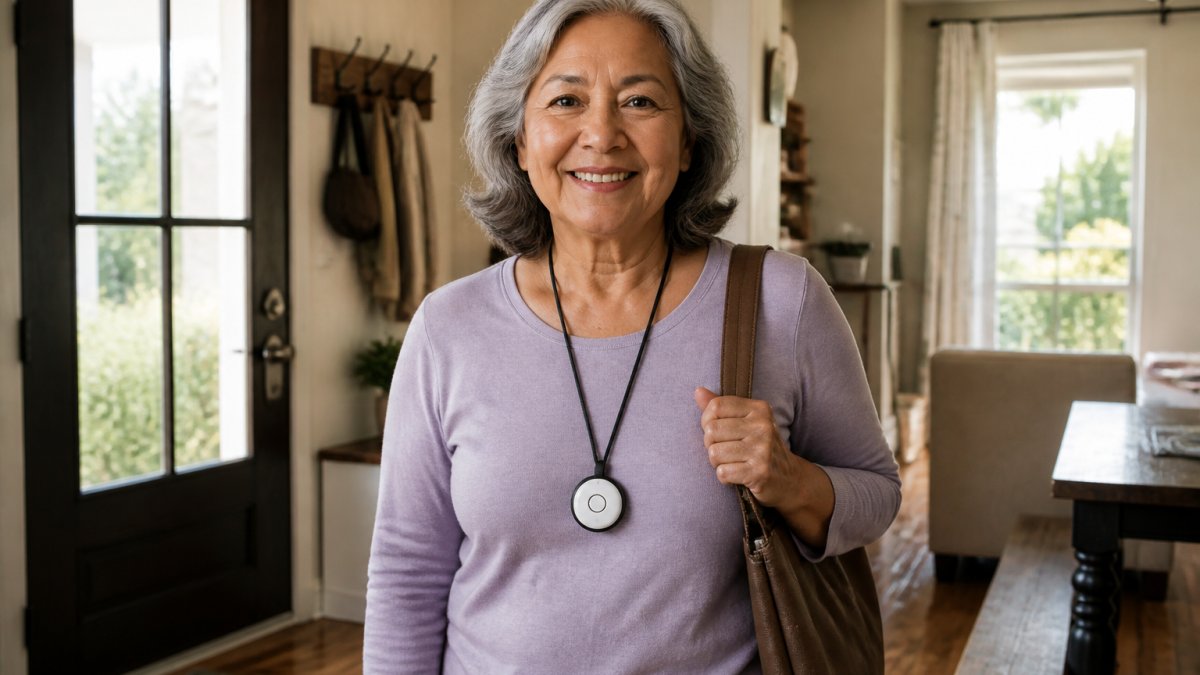
Personal safety emergency alerts let adults 55 and older take control of their independence by sending help to the people who matter most with one button press.
SafeWell55 builds personal safety emergency alerts into a broader wellness platform. Instead of juggling a pendant, a location app, and an insurance card, one membership covers emergency response, virtual care, prescription savings, and digital security.
An alert shares your location, notifies all your emergency contacts at once, and can connect you to a live person who knows your medical history.
The best medical alert systems for seniors balance reliability, ease of use, and the features that matter when seconds count. A strong system must reliably detect an emergency, communicate your need for help, and tell responders where to find you.
SafeWell55 leads this category by combining emergency response with comprehensive health support. Rather than a standalone pendant, it integrates alerts with 24/7 virtual care, so contacts or a monitoring center understand your full health picture.
GPS in medical alert systems serves one purpose: helping responders locate you fast.
The difference shows outdoors: if you fall while hiking, a GPS alert gives rescuers your coordinates. Without GPS, cell tower triangulation might only place you within a half-mile radius, fine in a city, less so on a rural trail.
SafeWell55 integrates GPS location sharing with emergency alerts, so family can see your location when you activate help, your daughter knows you're safe on your morning walk, and responders know exactly where you are if something happens.
Fall detection is crucial because many falls go unreported, an older adult may lose consciousness or be unable to reach a phone, letting hours pass before anyone realizes help is needed.
Modern fall detection uses accelerometers and gyroscopes to recognize a fall's pattern, rapid downward motion, sudden impact, stillness, and automatically alerts contacts or a monitoring center without any button press.
Fall detection isn't perfect: sitting down quickly can trigger false alarms, and some falls don't match the algorithm. The best systems pair automatic detection with a manual button as backup.
SafeWell55 combines automatic response capability with 24/7 virtual care.
Emergency alert apps live on your smartphone, a device you already carry, so you're more likely to have and use the tool.
The trade-off is battery life: smartphones need daily or every-other-day charging, while wearables last days or weeks. Manageable if you always carry your phone; a reliability problem if you forget to charge.
SafeWell55 is an app-based safety system, so your emergency network is always in your pocket. When you activate an alert, responders can access your medical history, medications, and allergies, information that could change how they treat you.
An SOS button is only useful if it connects you to help, so the best systems prioritize response time. Two-way communication separates functional systems from excellent ones: pressing SOS should establish a voice or text connection within seconds, letting you describe what's happening, confirm your location, and get reassurance while help is en route.
Response time varies: professional monitoring centers typically respond within 30-60 seconds, while family-based systems depend on whether relatives have their phones and are paying attention, potentially faster or slower.
SafeWell55 offers both: alert family directly or connect to a professional monitoring center.
A safety system that dies when you need it isn't a safety system. Battery life matters more than manufacturers admit, a two-day wearable sounds fine until you leave for a weekend trip and forget to charge it. Cellular coverage determines whether your alert reaches anyone, and rural dead zones are common, so the best systems use multiple connectivity options, cellular, Wi-Fi, and Bluetooth, so your alert gets through if one fails.
Reliability means consistent performance everywhere, home, car, grocery store, gym. The best systems are tested in real-world scenarios, not just labs.
Choosing between a dedicated medical alert system and a safety app depends on how you live, neither is universally better. A dedicated system (pendant or smartwatch) is built for one purpose: emergency response.
A safety app lives on your smartphone, integrated with your contacts, location history, and messaging. It's more versatile: daily check-in reminders, anytime location sharing for family, and virtual healthcare connections. The trade-off is needing a charged phone on you.
SafeWell55 bridges the gap with app-based emergency alerts plus bundled health services a wearable couldn't provide, smartphone simplicity with a health membership's comprehensive support.
In-home monitoring systems use a base station and pendant, optimized for people who spend most of their time at home; the base station can detect falls or inactivity and alert someone if you don't move for a period.
Most people need both: you may spend evenings at home but days running errands or traveling, and a home-only system leaves you unprotected for half your waking hours.
SafeWell55 addresses this as a mobile app that works everywhere. Contacts can see your location anytime, and if you fall or need help, the alert reaches them instantly, living room or three blocks away.
Professional monitoring centers employ trained responders available 24/7 who answer alerts, assess your situation, and dispatch emergency services, a professional decides whether to call 911, removing ambiguity, at an added monthly cost. Self-monitoring and family alerts rely on relatives or friends: pressing SOS notifies them of your location and situation, and they decide whether to call 911 or come help. It's faster and cheaper, but depends on their availability.
The best approach is hybrid: family alerts as the faster, more personal primary response, with professional monitoring as backup if family is unavailable. SafeWell55 supports multiple emergency contacts plus professional support.
Instead of buying a medical alert system plus separate health insurance or telehealth, comprehensive memberships now bundle safety, health, and financial benefits. This solves a real problem: juggling multiple services, logins, bills, and support lines is exhausting, and when a fall, chest pain, or medication confusion happens, you want one number to call, not five.
SafeWell55 exemplifies this model: emergency alerts are just the entry point. Members also get 24/7 virtual care with $0 copay, prescription savings on generics, digital security protection against scams, and free virtual veterinarian consultations, one membership covering the safety and health concerns that matter most at this life stage.
Integrating emergency response with 24/7 health access is a significant advantage: activating an alert doesn't just call for help, it connects you to healthcare professionals who know your medical history. After a head injury, a provider can assess whether you need emergency services or home care; during chest pain, they can walk you through questions while help is en route; with a medication reaction, they can identify it and brief responders.
24/7 availability means no waiting for business hours, wake at 3 AM with concerning symptoms and connect with a provider immediately.
Digital health and location data raises legitimate privacy concerns. The best systems let you control what's shared, with whom, and when.
Consent controls let you decide whether family sees your location always or only in emergencies, which health information responders receive, and whether your data is used for research or marketing.
Data security means encryption in transit and at rest, regular audits, rapid vulnerability response, and transparent breach disclosure.
| Feature | Personal Safety Emergency Alerts | Traditional Medical Alert Systems | Mobile Safety Apps |
|---|---|---|---|
| Emergency Response | Immediate alert to contacts or monitoring center | Limited to home base station | Real-time location sharing |
| Health Integration | 24/7 virtual care access | Medical alert only | Varies by app |
| Location Sharing | GPS-enabled, real-time | Limited to home monitoring | Continuous tracking |
| Fall Detection | Automatic response capability | Pendant-based detection | App-based only |
| Cost Model | All-in-one membership | Monthly monitoring fee | Subscription or free |
| Setup Complexity | Smartphone app | Device installation | App download |
| Battery Dependency | Daily charging | Multi-day battery | Daily charging |
Choosing the right system depends on your actual life, not an idealized version.
Living Alone: Redundancy matters most, you need alerts to multiple people at once, not one relative.
Living With a Partner: Couples over 55 may manage different conditions, medications, and activity patterns.
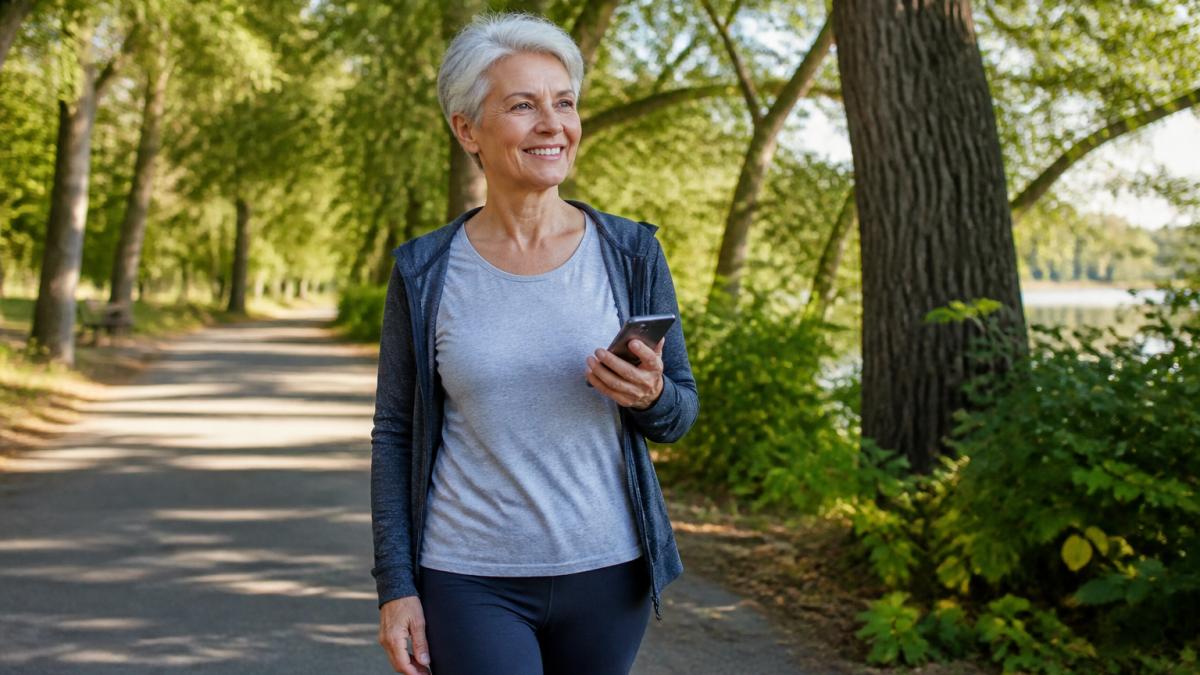
Active Outdoors: If you hike, garden, or travel often, a mobile system with GPS is essential, a home-only pendant won't protect you three miles from home.
Mobility Concerns: With arthritis, balance issues, or other challenges, fall detection is critical, you can't always reach a button after a fall.
Look beyond the monthly fee: total cost of ownership includes setup costs, recurring fees, and cancellation or switching terms.
App-based systems like SafeWell55 have lower startup costs, no equipment to buy, just download and start. The membership fee covers emergency response, health services, and all features.
When comparing costs, ask: What's in the base price? What costs extra? Are there setup fees, cancellation penalties, or rental charges?
SafeWell55 emphasizes transparency: one membership covers emergency alerts, 24/7 virtual care, prescription savings, digital security, and more.
Personal safety apps typically run on smartphones and let you send emergency alerts to family or contacts with your live location. Medical alert systems are often wearable devices like watches or pendants paired with professional monitoring centers that dispatch help 24/7. Apps work best if you carry your phone; medical alert devices work when you're home or away and don't depend on you remembering to press a button. Many modern systems now blend both approaches, offering app-based emergency alerts alongside professional monitoring.
When you trigger an emergency alert, the system captures your GPS coordinates and sends them to designated contacts or a monitoring center. GPS works outdoors using satellite signals; indoors, systems often fall back on cellular triangulation or Wi-Fi location data. The accuracy varies: GPS is typically within a few metres outdoors, while cellular methods may be less precise. Your location is shared only when you activate the alert or during an active emergency response, not continuously. You control who receives your location and can adjust privacy settings in most systems.
Yes. All-in-one health subscriptions now commonly bundle emergency alerts, location sharing, 24/7 virtual doctor access, mental health counseling, prescription savings, and even digital security tools into a single membership. This approach reduces the cost and complexity of juggling separate services. SafeWell55, for example, combines emergency response with $0 copay virtual care, generic prescription savings, and digital security protection in one app. The benefit is convenience and lower overall spending; the trade-off is that you're relying on one provider for multiple critical services.
Living alone means you need reliable emergency response without depending on a housemate to help. Prioritize: a system with 24/7 professional monitoring or guaranteed family notification, GPS location sharing so responders or family know where you are, fall detection if mobility is a concern, battery life of at least 24-48 hours, and cellular coverage in your area. Also check setup ease (can you activate it quickly in a panic?) and whether it works both at home and on outings. A system that combines in-home monitoring with mobile alerts gives you the broadest protection.
Personal safety doesn't require sacrificing independence. The right system removes the anxiety of "what if something happens" while keeping you in control of your daily life. SafeWell55 combines emergency alerts with 24/7 health access, prescription savings, and digital security protection, giving you and your family genuine peace of mind. Learn more about how SafeWell55 empowers adults aged 55 and older to live confidently and independently.