

Last Updated: October 7, 2026
Smart home safety devices help seniors maintain independence while staying protected.

The challenge is balancing autonomy with security: living without constant supervision while ensuring help arrives quickly if something goes wrong. Smart home safety devices bridge that gap with real-time monitoring, emergency response, and peace of mind.
At SafeWell55, we understand this tension. Our platform integrates emergency alerts, daily check-ins, and virtual companion features into a single app.
The best smart home safety devices for seniors share common features: ease of use, reliable emergency response, privacy protection, and ecosystem integration.
Medical alert systems remain the foundation of senior safety, with modern options integrating smartphones, wearables, and smart home networks.
SafeWell55 bundles what other companies charge separately for into a single membership: 24/7 virtual care with $0 copay, generic prescription savings, digital security tools against scammers, and free virtual veterinarian consultations.
What sets SafeWell55 apart is the virtual companion feature. When walking, running errands, or doing anything outside the house, activate it and a caring eye is kept on you during a walk, an errand, or any outing.
The platform also includes daily check-ins and location sharing with family members. The prescription savings program, and the digital security tools protect against online scams and identity theft.
Pros:
Cons:
ADT brings decades of home security expertise to senior safety, emphasizing professional installation and 24/7 monitoring by trained operators. Press the emergency button and a real person answers and can dispatch help immediately.
ADT's strength is reliability and white-glove service: technicians install the system properly and ensure everything works before leaving, removing the burden of DIY setup.
The system integrates with smart locks and motion sensors, alerting family members to unexpected door openings or motion. The monitoring center keeps your medical history and emergency contacts on file for faster response.
Pros:
Cons:
SimpliSafe proves you don't need professional installation for effective home safety. Wireless sensors connect to a base station and setup takes under an hour, saving money without sacrificing protection.
The platform offers no-contract monitoring for seniors who don't want long-term commitments. Start with basic door and window sensors, then add motion detection, environmental monitoring, or video cameras as needed; the mobile app alerts your phone and family members' devices.
SimpliSafe's flexibility lets you expand over time, start with essentials and add fall detection or medication reminders later, paying only for what you use.
Pros:
Cons:

Falls are the leading cause of injury-related death among seniors (the CDC). Fall detection technology has evolved beyond pendant buttons to sensors that detect falls automatically and alert help without the senior pressing anything.
Ring Alarm Pro combines home security with a built-in Eero Wi-Fi 6 router, addressing two needs at once. It includes motion and door/window sensors that detect unusual activity and integrates with Ring's video doorbell ecosystem.
What makes Ring valuable for seniors is cellular backup: if your internet goes down, protection continues.
Ring Video Doorbell integration lets you see who's at the door before opening it, protecting against unwanted visitors or scams, and two-way audio lets you communicate without opening the door.
Pros:
Cons:
Vivint represents the premium end of smart home safety, integrating security, fall detection, medication reminders, and activity monitoring into one platform designed for aging in place.
The system includes two-way audio-video doorbells, smart locks with customizable caregiver access codes, and motion-aware cameras that distinguish normal activity from potential emergencies. AI learns your daily patterns and alerts caregivers to unusual activity, like a fall at 3 AM when you're typically asleep.
Vivint's professional monitoring center can access your activity history and health information for faster emergency response, and the platform integrates with major smart home brands so you're not locked into proprietary devices.
Pros:
Cons:
Adult children often worry about aging parents living alone. Remote monitoring systems let you check in without constant phone calls and alert you immediately if something seems wrong.
Eufy Security prioritizes privacy by storing video locally rather than in the cloud, so footage never leaves your home network. The system uses high-resolution cameras with night vision and motion detection.
Eufy requires no monthly subscription for basic functionality, buy the hardware once and own it, with cloud backup optional. For seniors concerned about data collection, this provides genuine peace of mind. (Source: the effectiveness of medical alert systems)
The system integrates with common smart home platforms, and the mobile app lets family members receive alerts and view live footage. Motion detection is customizable to ignore pet movement or focus on door openings.
Pros:
Cons:
Abode solves a real problem for seniors who've invested in different smart home brands (Amazon, Google, Apple) and want everything to work together. It acts as the central hub, connecting devices from multiple manufacturers into one system.
DIY setup is straightforward, and monitoring plans are flexible: professional 24/7, self-monitoring through the app, or hybrid approaches, appealing to varying comfort levels and budgets.
Abode's strength is integration: door locks, cameras, and motion sensors from different brands all come into one dashboard, eliminating the frustration of managing multiple apps and systems.
Pros:
Cons:
Beyond comprehensive systems, specific safety devices address particular concerns alongside your main system.
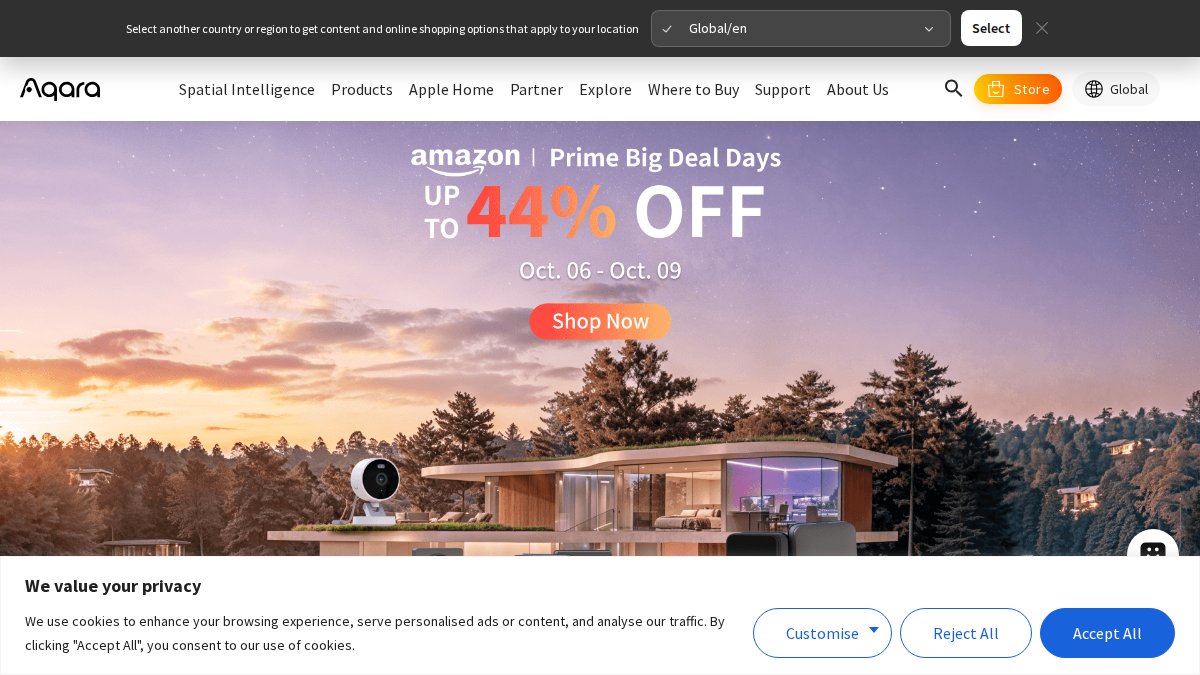
Aqara's camera hub provides high-resolution video monitoring for high-risk areas like hallways, bedrooms, or staircases. The weather-resistant design works indoors or outdoors, and the hub controls other compatible smart home devices.
Night vision and motion detection provide 24/7 monitoring, with activity zones to focus on high-risk spaces. Local storage protects privacy while maintaining video history.
Pros:
Cons:
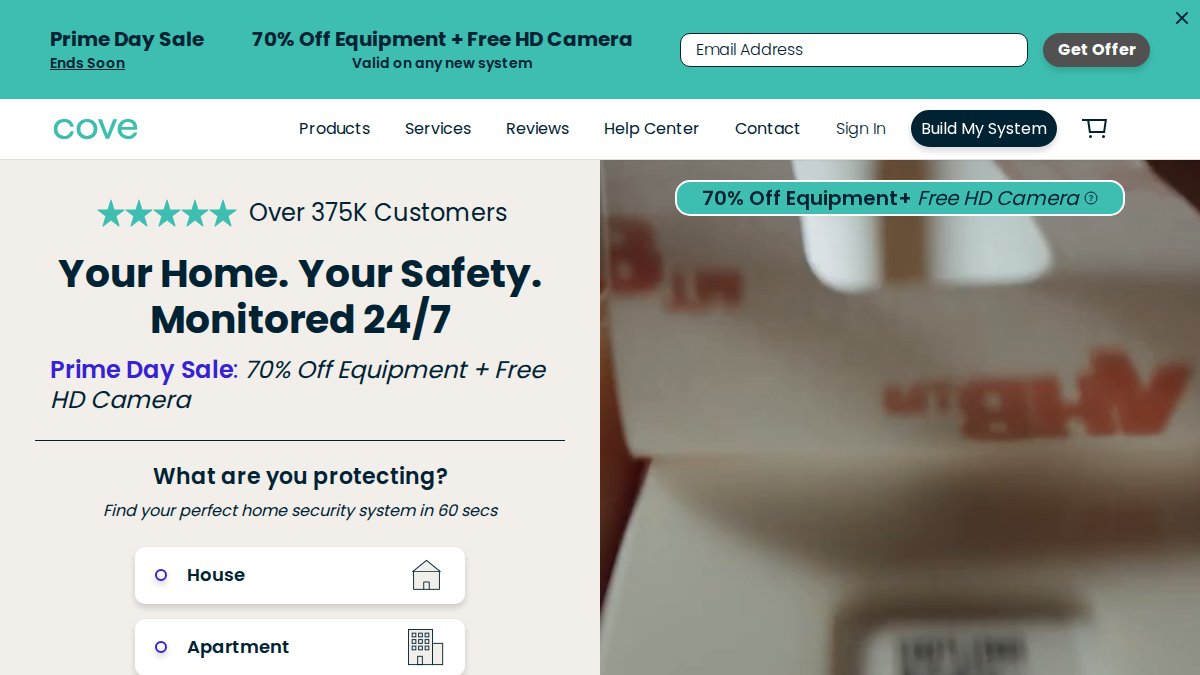
Cove focuses on simplicity. Its touchscreen control panel uses large buttons and clear language for seniors with vision or dexterity challenges, and operates without a smartphone.
DIY installation is fast and the monitoring center responds quickly. Cove doesn't try to be everything, it does security well and simply, ideal for seniors who want reliability without complexity.
Pros:
Cons:
When choosing smart home safety devices for seniors, focus on these essential features.
Ease of Use: The best system is the one that actually gets used.
Emergency Response: Verify the system connects to professional monitoring or emergency services.
Activity Tracking: Motion sensors detect unusual patterns.
Privacy Controls: Seniors should control what's shared and with whom.
Interoperability: Choose systems that work with devices you already own rather than forcing an entire new ecosystem, saving money and reducing frustration.
Battery Life and Connectivity: For wearable devices, battery life matters. A fall detection pendant that dies after two days is useless.
Smart home safety devices collect sensitive information: your location, health data, daily activity patterns, and emergency contacts. Protecting this information matters.
Data Privacy: Ask where data is stored and who can access it.
Cybersecurity: Ensure systems receive regular security updates and use strong authentication.
Cost Transparency: Beyond monthly monitoring fees, consider hardware, installation, and long-term contracts. SafeWell55 bundles multiple services into one membership.
Family Dynamics: Discuss monitoring with the senior before installing systems.
Insurance and Liability: Some homeowner's or health insurance policies offer discounts for installed safety systems.
Choosing the right smart home safety devices for seniors means balancing protection with independence.
The best choice depends on your priorities. If you want everything in one place, SafeWell55 combines emergency alerts, health monitoring, and digital security. If you prefer professional monitoring, ADT offers 24/7 support with white-glove installation. For budget-conscious seniors, SimpliSafe provides affordable monitoring without long-term contracts. The key is choosing a system with easy-to-use controls, reliable emergency response, and features like fall detection or motion-activated lighting that match your specific needs.
Smart home fall detection sensors use motion sensors, wearable devices, and activity tracking to identify falls or unusual patterns. Some wearables detect sudden drops in altitude, while environmental sensors monitor unusual inactivity in specific areas. The critical difference is response time: a system that alerts caregivers or emergency services immediately makes a real difference. Not all systems prevent falls, but those with automated lighting and motion sensors can reduce fall risk by illuminating pathways and identifying hazards before they cause injury.
Yes. Remote monitoring systems like SafeWell55, Ring Alarm Pro, and Eufy Security let adult children track activity, receive emergency alerts, and access video feeds from their phone. Look for systems with caregiver dashboards, two-way communication, and real-time notifications. SafeWell55 includes a virtual companion feature that keeps a caring eye on them during a walk, an errand, or any outing. Ensure the system offers easy caregiver access without overwhelming your parents with complexity, and verify that data privacy protections are in place so personal information stays secure.
The biggest concerns are data collection, storage, and third-party access. Look for systems with local storage (like Eufy Security), encrypted connections, and clear privacy policies that explain how your data is used and stored. Ask whether the company sells data to third parties, how long recordings are kept, and who can access your information. SafeWell55 includes digital security tools specifically designed to protect seniors from scammers and hackers. Always choose a system where you control access and can delete data, and verify that the company complies with relevant data protection standards.